 Image 1 of 4
 Image 2 of 4
 Image 3 of 4
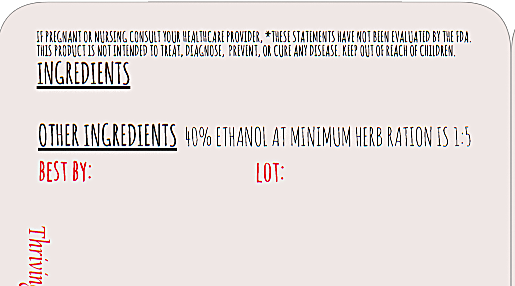 Image 4 of 4
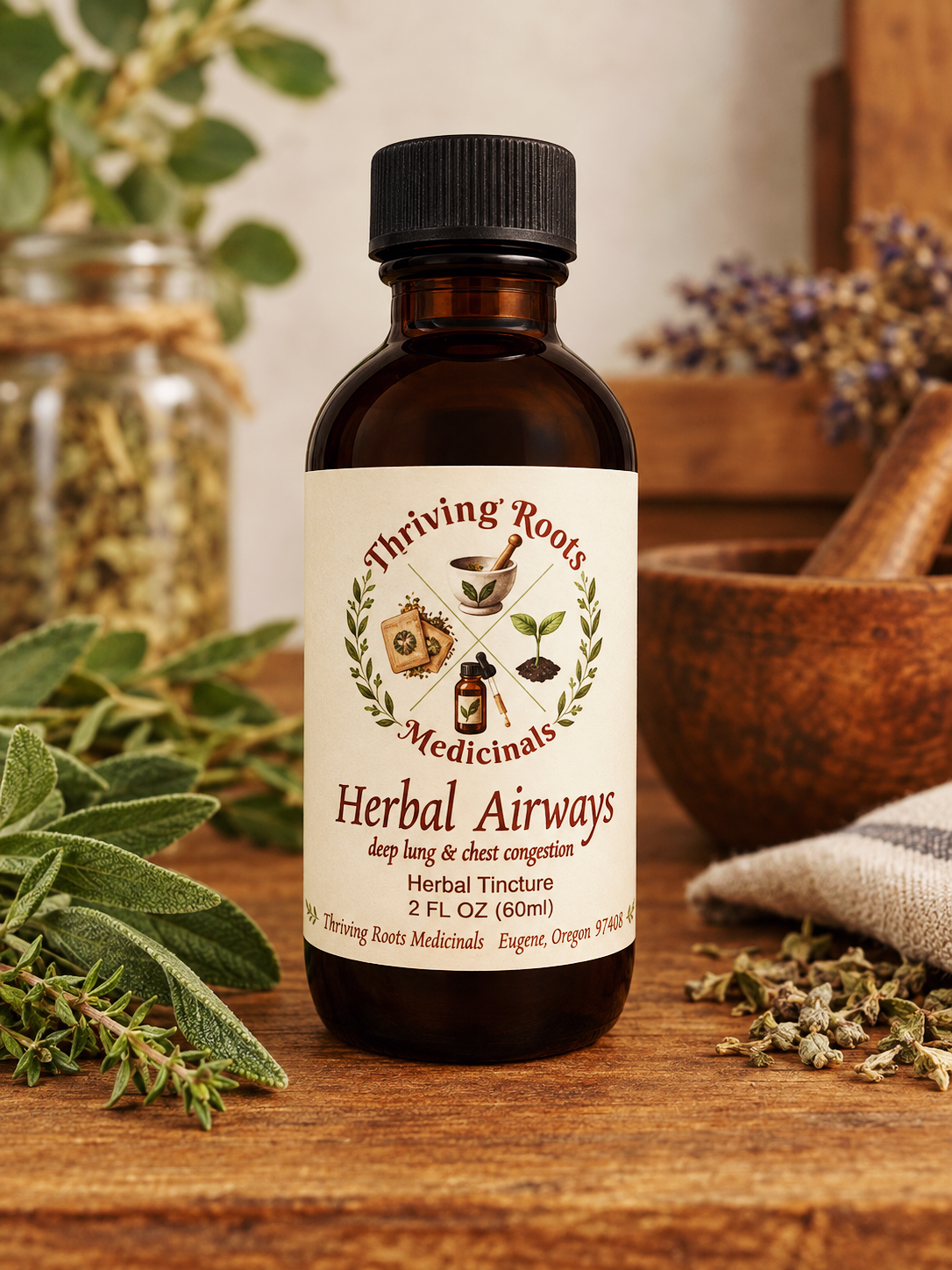
Herbal Airways formula
Mullein Leaf (Verbascum thapsus)
Primary respiratory role: Expectorant, demulcent, soothing respiratory herb
Mullein leaf has a long history of use for respiratory complaints, particularly cough and irritation of the respiratory tract. Its leaves contain mucilaginous compounds and saponins, which are thought to contribute to its soothing and expectorant actions.
Traditional and researched properties include:
Supports productive coughing and the natural clearance of mucus
Traditionally used as an expectorant to help move accumulated mucus
Traditionally used for bronchial and upper-respiratory irritation
Provides a soothing, demulcent quality to irritated respiratory tissues
May help calm the discomfort associated with a harsh, irritating cough
Has demonstrated anti-inflammatory activity in experimental research
Contains flavonoids, saponins, iridoids and phenolic compounds that contribute to its biological activity
Why it is valuable in Herbal Airways:
Mullein acts as the soothing and mucus-moving foundation of the formula. It helps balance the stronger expectorant herbs by providing a gentler, coating quality to the respiratory tract.
Elecampane Root (Inula helenium)
Primary respiratory role: Deep expectorant and traditional respiratory tonic
Elecampane has a particularly strong history in traditional European herbalism for the respiratory system. Species within the Inula genus have traditionally been used as expectorants and antitussives, and Inula helenium has a long historical association with respiratory preparations.
Traditional and researched properties include:
Traditionally used as an expectorant
Supports the body's natural ability to loosen and expel respiratory mucus
Traditionally used for deep, congested coughs
Traditionally associated with bronchial and respiratory support
Contains sesquiterpene lactones, including alantolactone and isoalantolactone
Provides traditionally valued antimicrobial and anti-inflammatory properties
Particularly useful in formulas intended for thick, stubborn chest congestion
Why it is valuable in Herbal Airways:
Elecampane gives the formula its deep-clearing character. Where mullein provides soothing support, elecampane is traditionally used when the respiratory system feels heavily congested and mucus needs encouragement to move.
Wild Cherry Bark (Prunus serotina)
Primary respiratory role: Cough-soothing and respiratory antispasmodic
Wild cherry bark has a long history of traditional use in cough preparations. It is especially valued when coughing becomes persistent, irritating, or spasmodic.
Traditional properties include:
Traditionally used to soothe persistent cough
Traditionally used as an antitussive herb
May help calm excessive coughing reflexes
Traditionally valued for its mild antispasmodic action on the respiratory tract
Traditionally used when cough is accompanied by bronchial irritation
Provides a balancing component in an expectorant formula by helping prevent the formula from becoming overly stimulating to the cough reflex
Why it is valuable in Herbal Airways:
This is the herb that provides balance to the clearing action of the formula. While mullein, elecampane and thyme encourage productive expectoration, wild cherry bark is traditionally used to help calm the repetitive, irritating cough that can accompany congestion.
Important formulation note: Wild cherry bark contains cyanogenic compounds, so the identity, quality, preparation method, and amount used are important. I would keep this herb described as a traditional cough-support herb rather than making strong pharmacological claims.
Angelica Root (Angelica archangelica)
Primary respiratory role: Warming expectorant and bronchial-support herb
Angelica root brings a warming, aromatic quality to the formula. Species within the Angelica genus have a long history of traditional use for respiratory complaints, including cough and bronchial congestion.
Traditional and researched properties include:
Traditionally used as an expectorant
Supports productive coughing and mucus clearance
Traditionally used for cough and bronchial congestion
Provides warming aromatic support to the respiratory system
Traditionally used for respiratory discomfort associated with colds
Contains volatile oils and coumarins that contribute to its biological activity
Demonstrates anti-inflammatory activity in experimental research involving respiratory pathways
Why it is valuable in Herbal Airways:
Angelica helps give the formula its warming, penetrating quality, complementing elecampane's deeper expectorant action while supporting the movement of mucus.
Thyme (Thymus vulgaris)
Primary respiratory role: Expectorant, antispasmodic and antimicrobial respiratory support
Thyme is one of the better-established herbs in this particular combination. The European Medicines Agency recognizes thyme preparations for traditional use in productive/chesty coughs associated with colds.
Its volatile constituents—particularly thymol and carvacrol—are responsible for much of its characteristic aromatic and biological activity. Research has described thyme and thymol as having expectorant, antispasmodic, anti-inflammatory and antimicrobial properties.
Traditional and researched properties include:
Supports productive coughing
Helps promote natural mucus clearance
Traditionally used as an expectorant
Traditionally used to calm bronchial spasms
Supports comfortable breathing during respiratory congestion
Provides antimicrobial activity in laboratory research
Provides antioxidant and anti-inflammatory activity
Traditionally used for coughs associated with colds and respiratory irritation
Why it is valuable in Herbal Airways:
Thyme acts as the formula's aromatic respiratory stimulant and antimicrobial-support herb, helping bring together the expectorant and cough-soothing actions of the other botanicals.
The Formula Synergy
Herbal Airways isn't simply five herbs that happen to support the respiratory system. Each herb contributes a different piece of the overall respiratory picture.
Mullein leaf provides soothing, demulcent support while traditionally encouraging mucus clearance.
Elecampane root brings a deeper expectorant action for thick, stubborn congestion.
Wild cherry bark helps balance the formula by traditionally calming an irritated, persistent cough.
Angelica root adds warming, aromatic expectorant support and complements the deeper-clearing herbs.
Thyme contributes expectorant, antispasmodic and antimicrobial properties while supporting productive coughing.
Together, they create a multi-directional respiratory formula: soothing irritated tissues, encouraging mucus to loosen and move, supporting productive expectoration, and helping calm the repetitive cough that can accompany heavy congestion.
Rather than simply trying to stop a cough, the philosophy behind this combination is to support the body's natural process of moving respiratory secretions while keeping the cough more comfortable and productive. That distinction is particularly appropriate for a formula designed around deep chest congestion.
*These statements have not been verified by the FDA and is not to be used as medical advice in any way. Consult your doctor before ingesting any herbal product. Do not take herbs or tinctures during pregnancy without consulting your healthcare provider. This product is not intended to diagnose or treat any disease. By purchasing, buyer agrees that they are 18 years or older and are sufficiently educated to use this product in a safe and responsible manner. Buyer agrees to release from liability and hold Thriving Roots Medicinals LLC forever harmless in the event of personal injury or harm to self or others, health consequences, accidents, or any other negative consequences resulting from the purchase or ingestion of this product.