
a bit about thriving roots medicinals
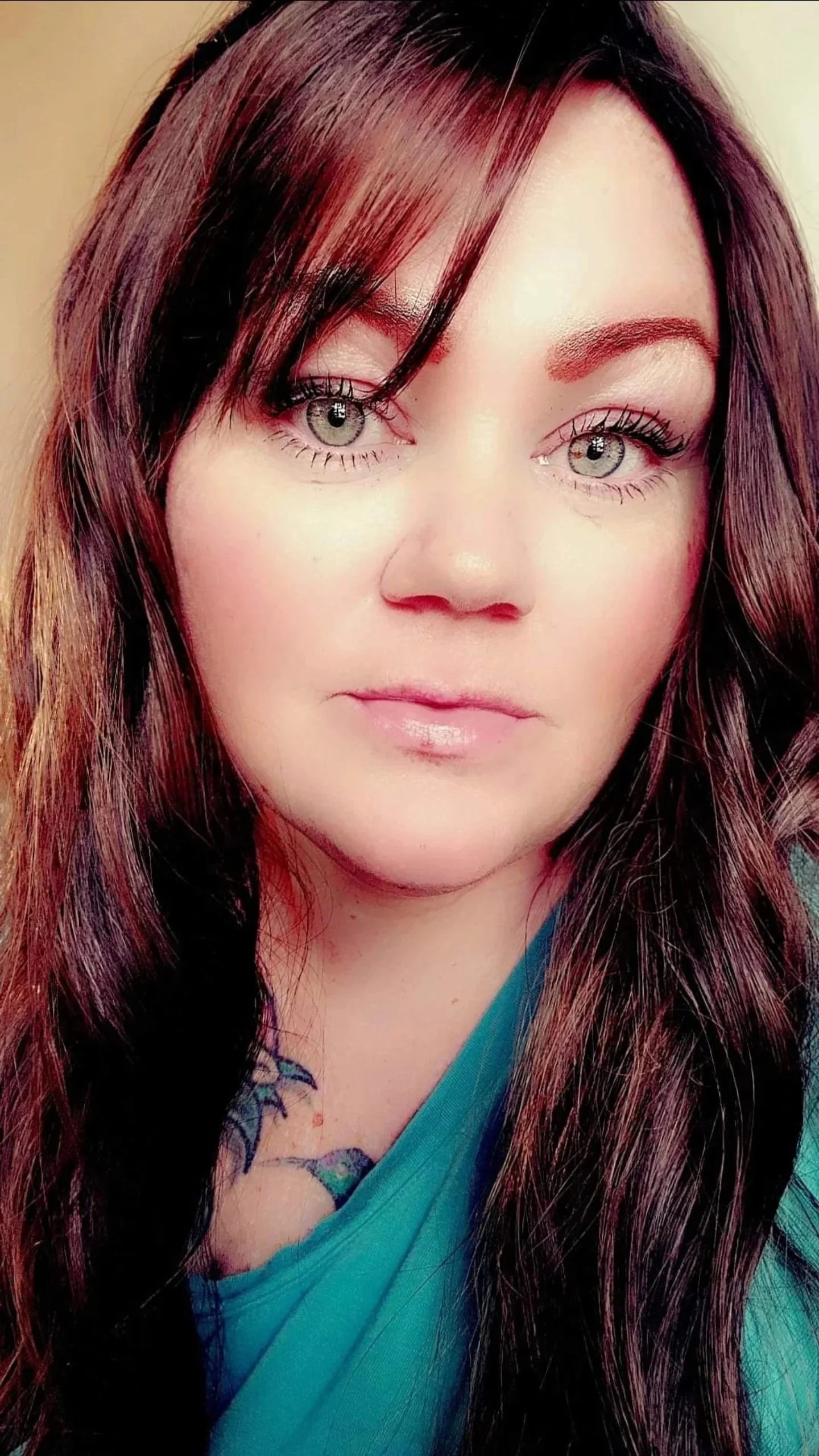
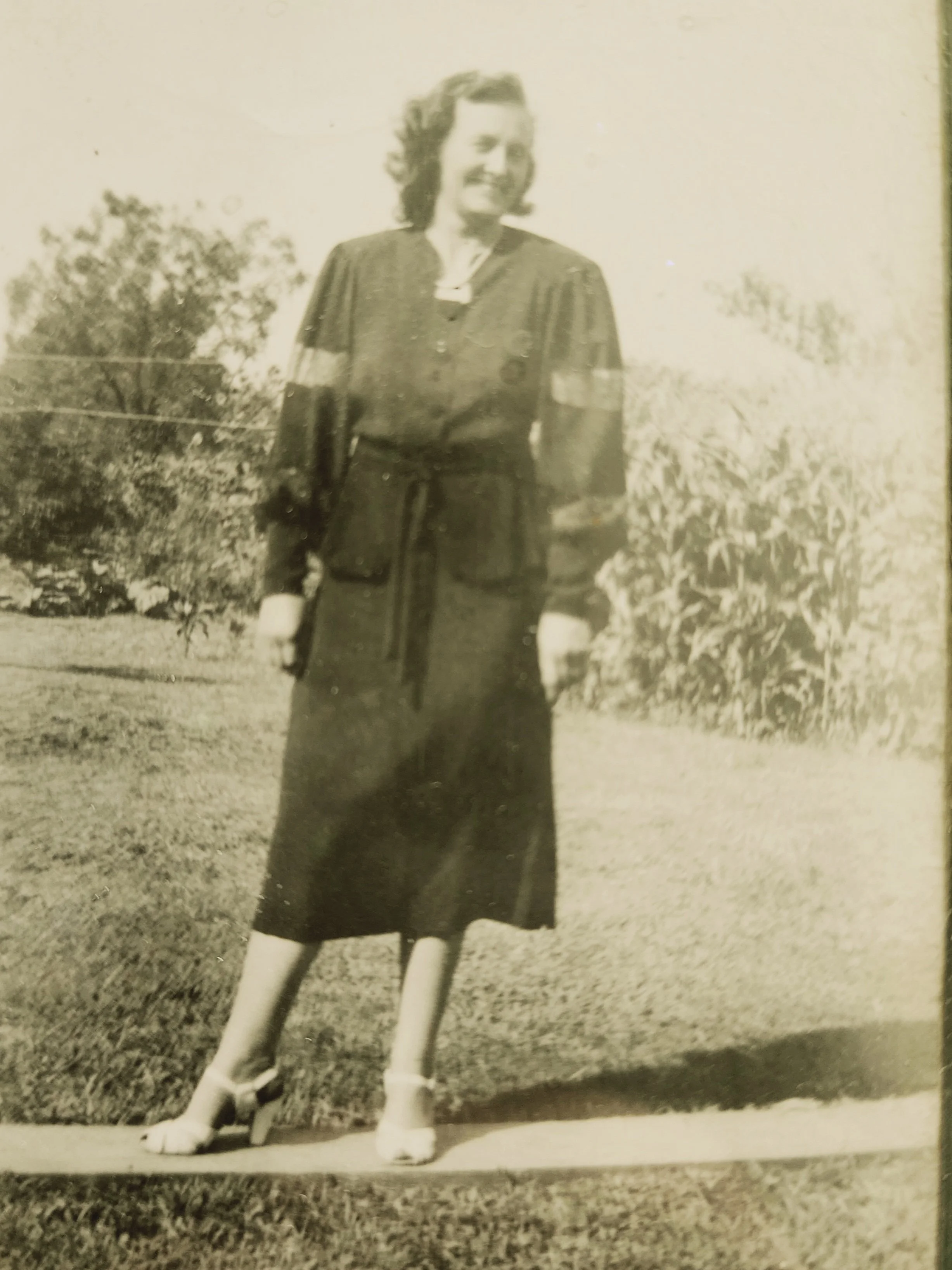
Hi there, I’m Phoenix. I’m the Herbalist/Apothecary who formulates all of these wonderful old world remedies. Through the years, I always felt like I wanted to help heal folks. So, I went into the nursing field for just a bit shy of two decades, only to realize that pushing the med cart didn’t set right in my soul. I knew there were remedies I learned as a child that proved to help treat and heal naturally. I decided to stick to what I felt was right and plunged my whole self into all the herbal holistic naturopathy education I could afford. While I continued my many years of education, I sort of felt like an outcast in my family for choosing natural medicine vs big pharma. And while my family did their best to be open to herbal remedies, I still felt like the odd one in the bunch. Until one day I was talking with my Grandmom about all I had been achieving, and she hit me with the most amazing information I had heard in years. My very own Great Grandmom Gabrillia was the town Medicine Woman! Everybody came to her for her healing natural remedies. She would say “I’m just helping people get better”. Hearing this, I felt the most magnetic pull to my roots I ever have in my entire life! I finally felt like I was exactly who I was meant to be all along. I felt truly grounded. So, I decided to go for it. I was all in. I was going to help folks get better, naturally. So, with love, a passion for healing and a lineage by my side, I share with you Thriving Roots Medicinals.
WHAT IT MEANS TO BE AN APOTHECARY
To be an Apothecary is not simply to work with herbs.
It is to accept a responsibility.
It is to become a student of the plants and a keeper of the knowledge surrounding them. It is to understand that every root, leaf, flower, seed, and bark has a story—a history of how people before us gathered it, prepared it, relied upon it, and passed that knowledge forward.
Being an Apothecary means never believing you have learned enough.
The plants will always have more to teach.
The seasons will always bring something new.
The old books will always hold another piece of forgotten wisdom.
And the generations before us will always have something worth remembering.
An Apothecary studies.
An Apothecary observes.
An Apothecary asks questions.
An Apothecary learns from experience while respecting the knowledge that came before.
And an Apothecary understands that knowledge without humility can become dangerous.
Because to work with medicine is to work with something worthy of respect.
There is great pride in knowing how to identify a plant, understand its traditional uses, prepare it properly, and create something useful from what the earth has provided.
But there is also great humility in recognizing that we are not the source of these gifts.
We are their stewards.
Our Creator placed an extraordinary abundance of life upon this earth. The plants were here before our hands ever touched them. They grew without our instruction. They carried their properties without our permission.
Our role is to learn their language.
To understand them.
To respect their strengths and their limitations.
To prepare them carefully.
And to share what we have learned responsibly.
An Apothecary does not simply make a remedy and hand it to another person.
An Apothecary serves.
There is an old-fashioned honor in being someone whom another person trusts with the knowledge of plants.
That trust should never be taken lightly.
It calls for honesty.
It calls for continued education.
It calls for careful preparation.
It calls for knowing when a plant is appropriate—and knowing when something is beyond our knowledge and another kind of care is needed.
That is humility.
And humility is not weakness.
It is wisdom.
To be an Apothecary is to take pride in the craft without taking credit for creation.
To honor tradition without refusing to learn.
To treasure ancient wisdom while continuing to seek greater understanding.
To work with one's hands.
To pay attention to the details.
To respect the plants.
To respect the people.
To respect the knowledge.
And to respect the responsibility that comes with placing a traditional remedy into another person's hands.
Perhaps most importantly, being an Apothecary means remembering why we do this.
Not simply because herbs are beautiful.
Not simply because making remedies is an ancient craft.
But because there is something deeply meaningful about reconnecting people with the plants that have accompanied humanity for thousands of years.
There is something beautiful about teaching someone the name of a plant.
Showing them its leaves.
Telling them its history.
Explaining how generations before us worked with it.
And reminding them that the natural world is not something separate from us.
It is something we are part of.
To be an Apothecary is to keep that relationship alive.
To stand between generations—to receive wisdom from those who came before, learn all that we can in our own time, and leave something meaningful behind for those who come after us.
We are not the beginning of this knowledge.
And we will not be the end of it.
We are simply one link in a very old chain.
And what an honor that is.
TO BE AN APOTHECARY IS TO:
Learn with curiosity.
Prepare with intention.
Serve with compassion.
Practice with responsibility.
Honor the plants.
Respect the wisdom of those before us.
Remain humble enough to keep learning.
And give thanks for the gifts our Creator placed upon this earth.
That is what it means to be an Apothecary.
Not merely a maker of remedies—
but a keeper of wisdom, a student of creation, a servant to the community, and a humble steward of an ancient tradition.
Thriving Roots Medicinals
Plants with Purpose. Old World Remedies.